
Finding the right commercial truck dealer feels different in 2026. You are likely noticing that tractor supplies have finally leveled out after a few years of uncertainty. While the road ahead looks better for over the road fleets, those of you in the construction or utility trades are still seeing full lots. It takes a steady hand to manage these shifts when your business depends on having the right tool for the job.
At Hackney, we have spent generations in Washington, North Carolina, building bodies that stand up to real work. We know that a truck is more than just inventory sitting on a lot. It is the backbone of your daily operations and a major investment in your future. You need equipment that works as hard as you do, regardless of how the market swings. We focus on practical solutions that help your fleet stay productive and profitable through every season.
Key Takeaways
- The 2026 commercial truck market features a unique split where over-the-road tractor supplies have stabilized, while vocational and utility truck inventories remain in surplus.
- Current vocational stock levels provide a strategic window for fleet managers to secure specialized equipment with better selection and shorter lead times before the next economic upcycle.
- Proactively replacing aging vehicles now is essential to avoid the high maintenance costs and limited availability that occur when industry demand spikes and production lags.
- Successful fleet management requires partnering with dealers who prioritize technical specifications, such as axle ratings and body integration, over simple retail transactions.
Balancing Tractor Availability And Vocational Stock
You are likely noticing a welcome change when you walk onto the lot of your local commercial truck dealer this year. After a long stretch of production cuts and supply chain hurdles, tractor inventories are finally stabilized. This means you can find the over the road units you need without the frustrating wait times that defined the last two years. At Hackney, we understand that your fleet depends on having the right equipment ready when the freight market picks up. This rebalancing phase is a sign of a healthier market where supply meets your operational demand. It is a great time to evaluate your long haul needs while the selection is strong and predictable.
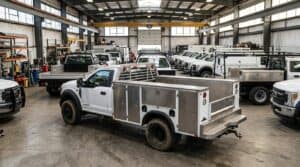
While tractors are reaching a steady state, the vocational side of the lot tells a different story. You will see plenty of units ready for work in construction, refuse, and utility sectors. Manufacturers are currently keeping a close eye on production to help dealers move this extra stock. This surplus gives you a unique advantage if you are looking to add specialized trucks to your lineup right now. Our team in Washington, North Carolina, sees this as a prime opportunity for business owners to secure reliable work trucks. You can find the heavy duty chassis you need and pair it with a body built for your specific trade.
The current market split requires a practical approach to how you manage your fleet investments. Having more vocational trucks available means you can be selective about the features and parts that keep your operators productive. We have spent decades building durable fleet solutions that stand up to real world conditions on the job site. Whether you are hauling supplies or managing a utility crew, the equipment you choose today will impact your bottom line for years. We focus on providing the shelving and body designs that make these available chassis work harder for you. Take advantage of the current inventory levels to upgrade your equipment with tools built for the long haul.
Evaluating Replacement Cycles And Retail Trends
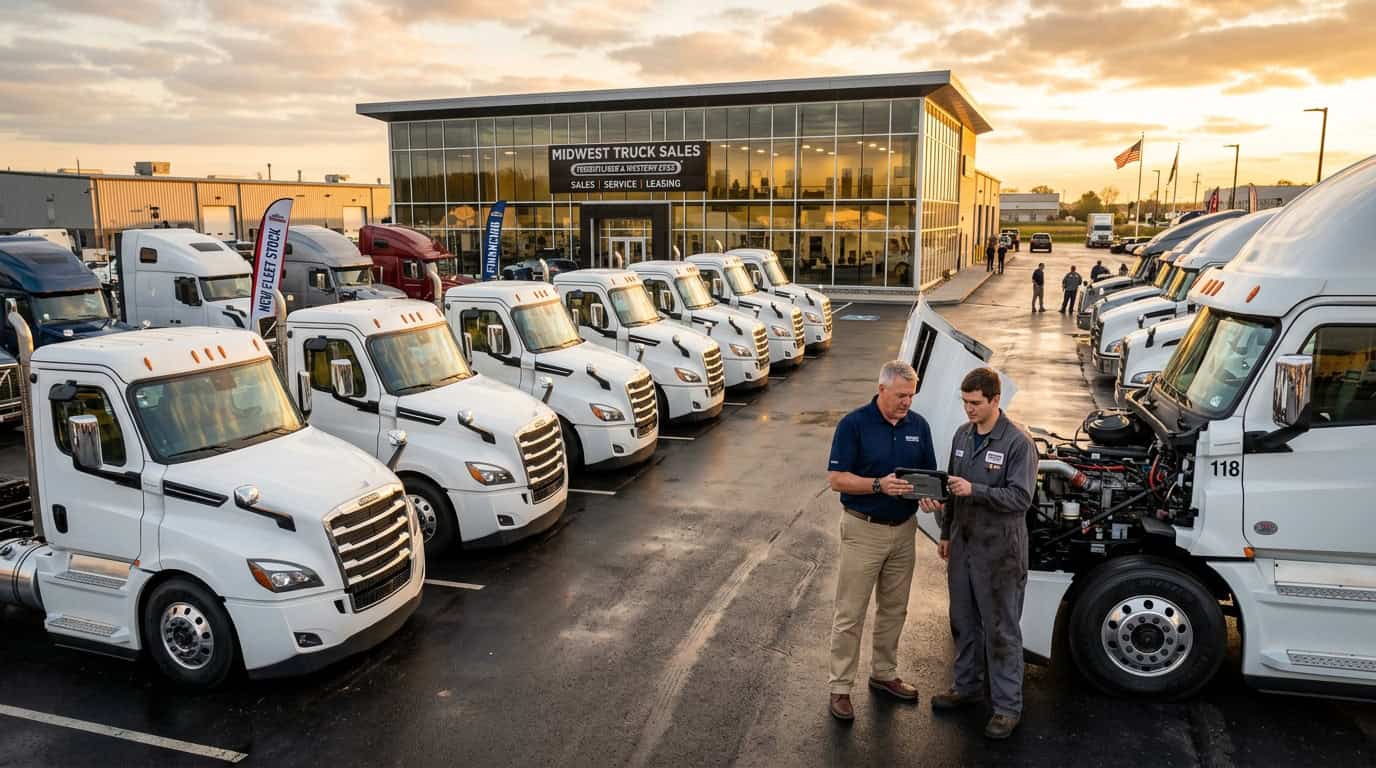
Your fleet works hard every day, but even the toughest trucks eventually reach a point where maintenance costs outweigh their value on the road. Many operators are currently holding onto aging equipment longer than usual, which creates a gap between what you have and what you need. Production levels for new iron are currently trailing behind the natural replacement rate for older vehicles. This means that as trucks age out, there may not be enough new units ready to take their place immediately. You should look closely at your odometer readings and repair bills to see if your trucks are nearing their limit. Staying ahead of this cycle is the best way to keep your business moving without unexpected downtime.
Waiting too long to refresh your equipment can put you in a tough spot when the market begins its next major upcycle. When demand for freight and construction services spikes, everyone tries to buy new trucks at the exact same time. This surge often leads to longer lead times and limited choices on the dealer lot. By securing your next vehicle now, you avoid the rush and make sure your team has the tools they need before the supply tightens. We see how these cycles work from our home base in Washington, North Carolina, and we know that timing is everything for a growing fleet. Hackney builds truck bodies that last, but they need a solid chassis to carry the load.
The current retail trends show a clear split between standard tractors and specialized vocational trucks used in construction or utility work. While tractor inventory is starting to balance out, the vocational side is still working through a surplus of full lots. This creates a unique window for you to find a deal on a work truck that fits your specific trade. Investing in new equipment today helps you avoid the higher prices and lower availability that usually come with a busy economy. You want to be the one with a fresh fleet while others are still waiting for their orders to be filled. Taking action now gives you a competitive edge and keeps your operators safe in reliable, modern machinery.
Selecting Partners With Deep Fleet Expertise
Choosing a commercial truck dealer requires looking past the shiny paint on the showroom floor. You need a partner who understands that a chassis is just a tool waiting for the right setup. The best dealers know how our Hackney bodies integrate with specific frames to create a productive workspace. They look at your weight requirements and axle ratings before they ever talk about price. This technical knowledge prevents costly mistakes that could keep your drivers off the road. A dealer with deep fleet expertise acts as a bridge between the factory and your daily operations.
The current market shows a surplus of vocational trucks, which makes your choice even more important. You want a dealer who understands the rigors of your specific work environment rather than someone just trying to move old stock. They should ask questions about your delivery routes, your loading habits, and how your crew handles the equipment. We have seen how the right specifications can double the life of a service vehicle. Our team in Washington, North Carolina, works closely with dealers who prioritize these practical details. Trusted partners help you manage inventory shifts while keeping your long term goals in mind.
Finding a dealer who speaks the language of fleet management will save you time and money. They should offer more than just a sales contract by providing insights into maintenance and parts availability. A true partner knows that a truck is a mobile warehouse that must perform in rain, heat, and heavy traffic. They help you select the right engine and transmission combinations to handle the weight of a fully loaded Hackney body. Look for a team that values durability and simple, rugged designs over flashy features. Your business depends on equipment that stays in the field and out of the repair shop.
Fleet Management Success
Finding the right commercial truck dealer is about more than just a single transaction. You need a partner who understands the specific demands of your daily routes and the long term wear on your equipment. A great dealer looks at your business goals to help you make smart choices about your fleet. They know that a truck sitting on the lot is only valuable if it matches the job you do every day. Hackney has spent decades in Washington, North Carolina, building bodies that stand up to real world conditions. We believe your dealer should be a practical advisor who helps you manage shifting inventory levels and market changes.
Making the right investment today helps your company remain profitable as the economy moves through different cycles. You want equipment that stays on the road and out of the shop so your team can focus on serving customers. Choosing a durable truck body means your fleet will hold its value and perform reliably for many years. We focus on building vocational solutions that solve problems for operators and fleet managers alike. When you work with experts who value quality, you protect your bottom line. Trusting a partner with deep roots in the industry is the best way to secure your future growth.
Smart Truck Buying Strategies with Hackney
Navigating the truck market in 2026 requires a clear understanding of how inventory levels affect your bottom line. You are seeing a shift where tractor supplies are finally reaching a healthy balance after years of uncertainty. Vocational trucks for construction and utility work are still sitting heavy on dealer lots, so you have more room to find the right fit for your specific needs. Choosing a dealer who understands these cycles helps you make better decisions for your fleet. Hackney knows that a truck is only as good as the body you put on it to get the job done. We build our beverage delivery truck bodies in Washington, North Carolina, with the same durability you expect from your chassis.
The road ahead looks promising as the freight environment gathers more strength throughout the year. You should focus on equipment that stands up to daily wear while meeting new regulatory standards. Reliable trucks and bodies are the backbone of your operations, especially when you are trying to keep maintenance costs low. Our team stays focused on practical solutions that help you work faster and stay organized in any weather. We believe in providing gear that lasts through the toughest routes and the longest days. Trusting your investment to a partner with deep roots in the industry makes all the difference for your long term success.
Frequently Asked Questions
1. How does the current tractor inventory affect my fleet planning in 2026?
Tractor supplies have finally leveled out after several years of uncertainty. You can now find over the road units without the long wait times seen in previous years. This stability makes it a great time to plan your long haul needs with predictable delivery schedules.
2. What is the current market situation for vocational and utility trucks?
Vocational lots are currently full of units ready for construction and utility work. Manufacturers are closely monitoring production to help move this extra stock. You have a unique advantage to negotiate better terms or find specific configurations that were scarce before.
3. Why should I choose Hackney for my truck body needs?
We have spent generations in Washington, North Carolina, building bodies that stand up to real work. Our team understands that your truck is the backbone of your daily operations. We focus on practical solutions that help your fleet stay productive through every season.
4. Is now a good time to invest in new work equipment?
The current surplus in vocational inventory gives you more power during the buying process. You can find the right tools for your specific trade while selection is high. Taking advantage of these market shifts helps you secure the equipment your business needs to grow.
5. How do Hackney bodies handle demanding work environments?
We build our equipment to be as durable as the people who use them. Every body and shelving system is designed for real conditions and heavy daily use. You get a tool that works as hard as you do without unnecessary complications.
6. What types of fleet solutions does Hackney provide?
We offer a range of vocation specific truck bodies, trailers, and shelving systems. Our parts and fleet solutions are designed to keep your operations running smoothly. We focus on practical designs that help you stay profitable and efficient on the job site.