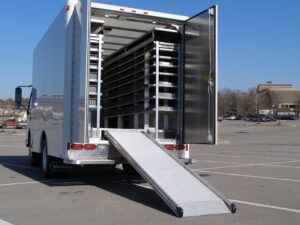

An HVAC service truck body turns your truck into a mobile workspace for tools, parts, refrigerant equipment, and replacement components. The right body helps you protect valuable equipment, organize daily loads, and give technicians faster access at every job. You can choose from open service bodies, enclosed utility bodies, van style bodies, and pickup bed upfits based on your service territory and payload needs.
Material, storage design, and truck size all affect operating costs and technician productivity. With deep roots in North Carolina and headquarters in Washington, NC, Hackney builds vocation specific truck bodies and fleet solutions around the demands of real work. Understanding your options helps you choose a body that supports your crew today and your business as it grows.
Key Takeaways
Choose the HVAC service body based on daily workload, service territory, equipment volume, and security needs. Open bodies provide faster access, while enclosed and van-style bodies offer better weather protection, theft deterrence, and workspace.
Match body material and dimensions to payload requirements. Steel provides durability for demanding work, while aluminum reduces weight and preserves capacity for tools, refrigerant equipment, parts, and other cargo.
Design storage around technician workflow by placing frequently used tools near access points, keeping heavy equipment low and secured, and using shelves, drawers, lighting, ladder racks, and dedicated compartments to reduce search and loading time.
Verify the truck’s GVWR, axle ratings, and total loaded weight before selecting a body. Include the body, technicians, tools, ladders, refrigerant cylinders, recovery equipment, parts, and future cargo to support safe handling and reduce vehicle wear.
HVAC Service Truck Body Introduction
An HVAC service truck body is a specialized mobile storage and work platform for tools, parts, refrigerant related equipment, and repair supplies. Mounted on a pickup or chassis cab truck, it gives you organized access to the equipment needed for service calls, installations, and maintenance work. Depending on your operation, you may choose an open service body, an enclosed utility body, a van style body, or a pickup bed upfit. Each design offers a different balance of weather protection, storage space, access, and payload capacity. The right choice starts with the tools, parts, and equipment your technicians carry every day.
A well planned HVAC body helps you keep common tools within reach while separating heavy equipment, small parts, recovery machines, and replacement components. Shelving, drawers, compartments, and secure mounting points can reduce time spent searching for supplies and help technicians complete more work at each jobsite. Careful payload management also protects the truck by keeping the body and equipment within rated limits. That organization can support better fleet productivity, lower downtime, and a more consistent service experience. With deep roots in North Carolina and a home base in Washington, NC, Hackney builds vocation specific truck bodies and fleet solutions around the practical demands of working technicians.
Open And Enclosed HVAC Bodies
An open service body gives you fast access to tools, parts, recovery equipment, and larger HVAC components through side compartments and a rear work area. It fits residential service and light commercial routes where technicians make frequent stops and need to reach equipment without entering the body. A pickup bed upfit is a practical choice for smaller operations or technicians who need a familiar truck bed for ladders, condensers, and occasional cargo. You gain flexibility, but exposed equipment needs secure storage and protection from rain, dust, and theft.
Enclosed utility bodies and van style bodies provide stronger weather protection for electronics, refrigerant supplies, controls, and replacement parts. A van style body is often the better fit when you need interior standing room, organized shelving, and a dry workspace during emergency calls or year round residential service. Combination bodies bring together open access and enclosed storage, so you can carry bulky outdoor equipment while keeping tools and sensitive parts protected. That mix also suits light commercial technicians who need more inventory without moving to a larger service vehicle.
Your daily route, cargo, and climate should guide the body choice more than appearance. Steel bodies offer proven durability for demanding fleet work, while aluminum can cut body weight significantly and leave more capacity for tools and parts. Hackney, based in Washington, North Carolina, builds vocation specific truck bodies and fleet solutions around these practical demands, helping you match storage, access, and weather protection to the work your technicians perform.
HVAC Body Materials And Payload
Steel and aluminum offer different advantages in an HVAC service truck body. Steel is heavier and typically provides strong resistance to dents, impacts, and demanding daily work, but exposed steel can corrode if its finish is damaged or moisture collects in seams. Aluminum resists corrosion naturally and can cut body weight significantly, which may reduce fuel use and leave more capacity for tools and equipment. Actual fuel savings depend on route length, traffic, driving habits, and total cargo weight.
Most HVAC service bodies are 8 to 12 feet long, with common body heights from 40 to 60 inches. A shorter body may suit a smaller chassis or a technician carrying basic tools, while a longer body provides more room for recovery equipment, parts, ladders, and replacement components. Taller compartments add storage space, but they can affect visibility, access, and overall vehicle balance. The right dimensions depend on the truck’s gross vehicle weight rating, or GVWR, which is the maximum safe combined weight of the truck, body, passengers, fuel, tools, and cargo.
Before selecting a body, calculate the expected loaded weight and compare it with both the truck’s GVWR and its axle ratings. A heavy steel body may reduce available payload, while an aluminum body can provide more capacity for refrigerant equipment, compressors, and job materials. You should also account for future cargo growth, since a truck that is near its limit can experience faster wear and less stable handling. With deep roots in North Carolina and based in Washington, NC, Hackney builds vocation specific truck bodies and fleet solutions around the working conditions your team faces.
HVAC Truck Storage And Safety
A well planned HVAC service truck body gives each tool and part a clear place, so you spend less time searching and less time loading equipment at the start of every call. Full height compartments can hold recovery machines, vacuum pumps, hoses, and larger service tools, while adjustable shelving makes room for changing inventory. Drawer units keep meters, hand tools, electrical parts, and fittings organized and protected from damage. A durable work surface gives you a steady place to test components, prepare fittings, or complete paperwork. Ladder racks and enclosed pipe tubes keep extension ladders, copper tubing, and conduit secure without taking up valuable interior space.
Safe storage starts with placing heavy recovery equipment and replacement components in low compartments, which helps keep the truck stable and makes lifting easier. Refrigerant cylinders should remain upright and secured with retainers, while electrical parts need dry, protected storage away from loose hardware and moisture. Interior lighting helps you identify tools during early morning or evening calls, and exterior lighting can improve visibility around the work area. Convenient power access supports battery chargers, diagnostic equipment, and small corded tools without forcing you to run cords through unsafe paths. Locking doors, protected drawer latches, and compartment seals help guard tools and parts when the truck is parked between jobs.
Your daily route should shape the layout of the HVAC service truck body, with frequently used tools near the main access points and backup components stored farther inside. This arrangement reduces unnecessary loading and unloading, while labeled shelves and drawers make restocking faster at the end of the day. Hackney draws on deep manufacturing roots in North Carolina and builds vocation specific truck body solutions from its base in Washington, NC. The right combination of compartments, work areas, access points, and secure storage helps your technicians work with greater order and fewer interruptions. When every item has a designated location, the truck becomes a dependable mobile workspace instead of a collection of loose equipment.
Choosing HVAC Body Configuration
Start with the work your crew performs each day when choosing an HVAC service truck body. A single technician working residential calls may need a compact enclosed body or van style layout, while a larger crew serving commercial sites may need a compartmentalized service body with room for recovery equipment, electrical parts, tools, and replacement components. Your service territory also matters, since tight city streets favor a more compact truck, while rural routes may justify added storage and fuel capacity. Match the body to the vehicle chassis, including its wheelbase, cab style, and rated payload.
Payload planning should account for tools, refrigerant related equipment, parts, ladders, fluids, and personal gear, not just the body’s empty weight. Aluminum can help reduce weight, while steel may suit fleets that face heavy daily use and rough job sites. In hot, cold, wet, or coastal climates, ask about corrosion protection, seals, ventilation, and insulation. Locking compartments, tamper resistant hardware, and controlled access are important when valuable tools and materials remain in the truck. Set a practical budget that includes the body, chassis, installation, maintenance, and future repairs.
Your technicians should be able to reach common tools quickly without climbing through the truck or moving several containers first. Review door locations, shelf heights, lighting, ladder storage, interior clearance, and the way the body supports your normal service sequence. Quality upfit work matters because poor mounting, wiring, or compartment alignment can lead to noise, water entry, and avoidable downtime. Before you buy, consider inspection needs, cleaning, parts availability, and how the body can grow with your fleet. With roots in North Carolina and based in Washington, North Carolina, Hackney can help you plan a durable configuration that fits today’s workflow and future expansion.
HVAC Service Truck Body Conclusion
The right HVAC service truck body starts with the way you work. An open service body provides quick access to tools, parts, and recovery equipment, while an enclosed body offers added protection from weather and theft. Steel supports demanding daily use, while aluminum can reduce body weight and leave more capacity for equipment, parts, and refrigerant cylinders. Your storage layout also matters, since well planned compartments keep common tools within reach and separate heavy or specialized equipment. When the body style and material match your service routes, you spend less time searching and more time completing jobs.
Payload capacity is just as important as storage space. The truck must safely carry technicians, ladders, tools, replacement components, recovery machines, and other job equipment without exceeding its rated limits. A balanced load can improve handling, reduce unnecessary wear, and create a safer work environment at every stop. Hackney draws on deep roots in North Carolina and operates from Washington, NC, building vocation specific truck bodies and fleet solutions around the practical demands of field work. With the right HVAC service truck body, you get a safer, more organized, and more productive truck for everyday service.
Choose the Right HVAC Service Body
An HVAC service truck body gives you a dedicated platform for carrying tools, parts, recovery equipment, refrigerant related supplies, and safety gear. Your best choice depends on the work you perform, the amount of equipment you carry, and the conditions your truck faces each day. Enclosed bodies offer added protection and security, while open service bodies provide quick access through organized compartments. Steel supports demanding daily use, while aluminum can reduce body weight and help preserve available payload for equipment and materials.
The right body also improves workflow by keeping common tools within reach and separating clean parts from used equipment. Check compartment size, shelving, lighting, door access, payload ratings, and service support before you select a body for your fleet. With deep roots in North Carolina and a home base in Washington, NC, Hackney builds vocation specific truck bodies and fleet solutions around the practical needs of working technicians. When the body matches your routes and service calls, you can spend less time searching for equipment and more time completing the job.
Frequently Asked Questions
1. What is an HVAC service truck body?
An HVAC service truck body is a mobile workspace designed to carry tools, parts, refrigerant equipment, and replacement components. Mounted on a pickup or chassis cab truck, it gives your technicians organized storage and faster access at service calls, installations, and maintenance jobs.
2. Which type of HVAC service truck body is right for my business?
Your best choice depends on your service territory, equipment load, security needs, and truck size. Open service bodies provide quick access, enclosed utility bodies offer added weather and theft protection, van style bodies create a protected interior workspace, and pickup bed upfits work well for smaller loads or lighter duty service.
3. How do I choose the correct truck size and payload capacity?
Start by listing the body, tools, refrigerant equipment, parts, ladders, and materials your technicians carry each day. Add the weight of seasonal or emergency equipment, then compare the total with the truck’s rated payload and axle limits. Keeping the load within those ratings supports safer handling and helps protect the truck from premature wear.
4. What storage features help HVAC technicians work faster?
Shelving, drawers, divided compartments, and secure mounting points help keep common tools and parts in consistent locations. Place frequently used items near the side access points, while heavier equipment should stay low and close to the truck for better balance. A planned layout reduces time spent searching and helps technicians complete more work at each jobsite.
5. What materials are used for HVAC service truck bodies?
Common materials include aluminum, steel, and combinations of both. Aluminum can reduce body weight and help preserve payload capacity, while steel provides strong support for demanding equipment and heavy daily use. The right material depends on your climate, workload, security needs, maintenance plan, and truck rating.
6. How can I protect HVAC tools, refrigerant equipment, and parts?
Choose compartments with secure latches, strong hinges, and layouts that separate tools, small parts, recovery machines, and replacement components. Enclosed designs provide added protection from weather and help limit unauthorized access, while open bodies can be fitted with locking storage where needed. Proper mounting also keeps equipment from shifting during travel.
7. Can Hackney build an HVAC service truck body for a specific fleet or application?
Yes. Hackney builds vocation specific truck bodies, trailers, shelving, parts, and fleet solutions around the way your technicians work. With deep roots in North Carolina and headquarters in Washington, NC, Hackney can help you plan body size, storage, materials, and equipment placement for current needs and future fleet growth.